

THE SUN HAS ALREADY LEFT ITS MARK
By late summer, the effects of the season begin to accumulate. More daylight, warmer temperatures, holidays, air conditioning and repeated sun exposure can quietly change the way skin behaves. It may still look healthy, yet feel tighter, appear less even or react more quickly than it did in spring. This is not the moment for an aggressive overhaul. It is the moment to notice what has changed - and respond with precision.
“Sun exposure is cumulative. Recovery should be considered, consistent and calm.”
What prolonged sun exposure can do
Ultraviolet radiation generates oxidative stress and can weaken the structures that keep skin firm, even and resilient. UVA reaches deeper layers and contributes to premature ageing; UVB is more closely associated with burning. The visible effects vary, but often include dehydration, uneven pigmentation, roughness and a complexion that looks less rested.

The signs are not always dramatic
Skin can be sun-stressed without peeling or feeling sore. Persistent tightness after cleansing, increased sensitivity, a dull surface, new dark spots or small areas of congestion can all indicate that the barrier is under pressure. Recognising these quieter signs early allows you to adjust your routine before irritation builds.
A useful distinction
A tan is a visible response to UV exposure, not evidence that the skin has become healthier or stronger. Even without sunburn, repeated exposure can trigger pigment production and accelerate the processes associated with photoageing. Protection remains relevant throughout late summer - including on cloudy days.
‘‘A tan is a visible response to UV exposure, not evidence that the skin has become healthier or stronger.”
RESET WITHOUT OVERCORRECTING
The temptation after weeks of sun is to exfoliate more, add stronger actives and try to reverse everything at once. In practice, stressed skin usually responds better to restraint. Keep the routine simple enough to repeat and introduce change gradually.
1. Cleanse without stripping
Choose a gentle cleanser that removes sunscreen, sweat and excess oil while leaving the skin comfortable. Very hot water and harsh foaming formulas can compound dryness. If congestion is present, use a mild exfoliant occasionally rather than scrubbing every day.
2. Rebuild hydration
Look for humectants such as glycerin, hyaluronic acid or panthenol, supported by emollients and barrier-focused ingredients. Apply hydrating products while the skin is slightly damp, then seal them with a moisturiser appropriate for your skin type.
3. Use antioxidants with perspective
Vitamin C, vitamin E and other antioxidants can support the skin against oxidative stress and help improve the look of uneven tone over time. Start slowly if the skin feels sensitive. More active product does not automatically mean faster recovery.
Vitamin C, vitamin E and other antioxidants can support the skin against oxidative stress and help improve the look of uneven tone over time. Start slowly if the skin feels sensitive. More active product does not automatically mean faster recovery.

4. Keep SPF in the routine
Late summer still brings meaningful UV exposure. Use a broad-spectrum sunscreen every morning and reapply during extended time outdoors, after swimming or heavy perspiration. Sun protection is the step that prevents today’s exposure from becoming tomorrow’s concern.
“The objective is not to erase summer. It is to help the skin recover from it.”
RECOVERY CONTINUES AFTER SUNDOWN
Night offers a useful window for recovery because the skin is no longer dealing with sunlight, heat and the repeated application of sunscreen. A calm evening routine - cleansing, hydration and a supportive final layer - can improve comfort and reduce the urge to over-treat the skin.

THE QUIET WORK OF NIGHT
Repair does not need to feel active. A comfortable barrier, enough moisture and uninterrupted sleep can be more useful than another intensive treatment.
Sleep is part of the routine
Skin barrier recovery and renewal follow the body’s circadian rhythm. Poor sleep can influence inflammation, hydration and the way the complexion looks the following day. A consistent sleep schedule supports more than energy; it supports the conditions in which skin can function well.
Hydration is not only topical
Warm weather, flights, alcohol and intense exercise can all affect fluid balance. Drinking regularly and eating water-rich foods supports normal body function, although it does not replace a suitable moisturiser. Think of internal and topical hydration as complementary rather than interchangeable.
When to step back
If skin becomes persistently red, painful, swollen or unusually reactive, pause exfoliating acids, retinoids and fragranced treatments. A simple cleanser, moisturiser and sunscreen may be enough until comfort returns. Seek professional advice for severe sunburn, blistering or changes in a mole or pigmented lesion.
ONE CONSIDERED ADDITION
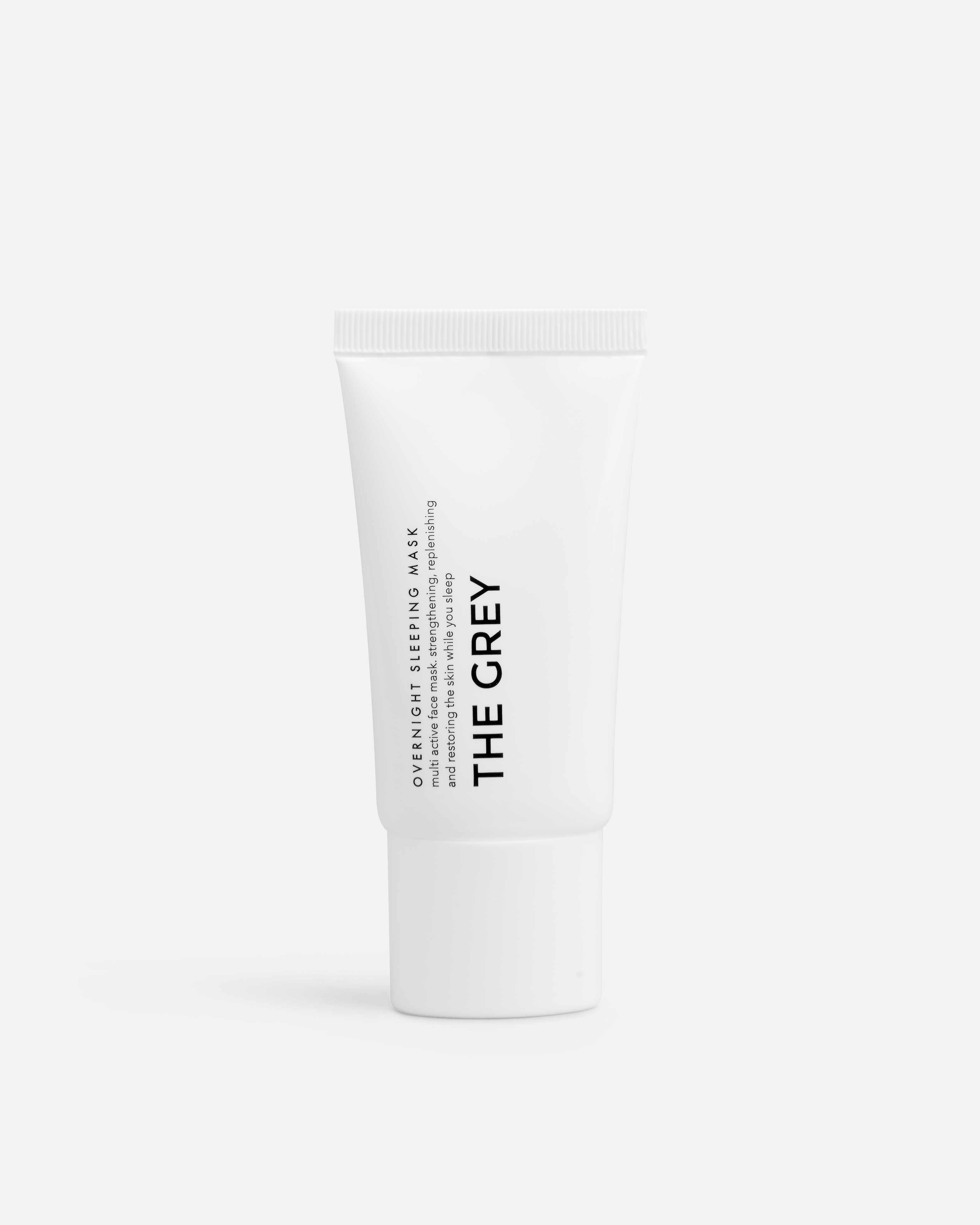
Support, simplified
The Grey Overnight Sleeping Mask is a lightweight, non-stick gel mask that hydrates, brightens and calms stressed skin while you sleep. Its 24-hour chronoactive ingredient continues working after sun exposure, helping to protect epidermal lipids and repair visible signs of photoaging. The formula also supports the moisture barrier, making it an ideal after-sun treatment. It complements your daily SPF but does not replace it.
How to use it
In the evening, apply an even layer over the face, neck and around the eye area on clean, dry skin. Allow the mask to set for 7-10 minutes before going to sleep. Leave on overnight and rinse off in the morning. Use two or three times per week, or as needed.
Taking care of your skin is so much more than just a face cream you put on your face. We love to share our knowledge with you. The Read is our way of showing you we care about your skin, body and mind
